


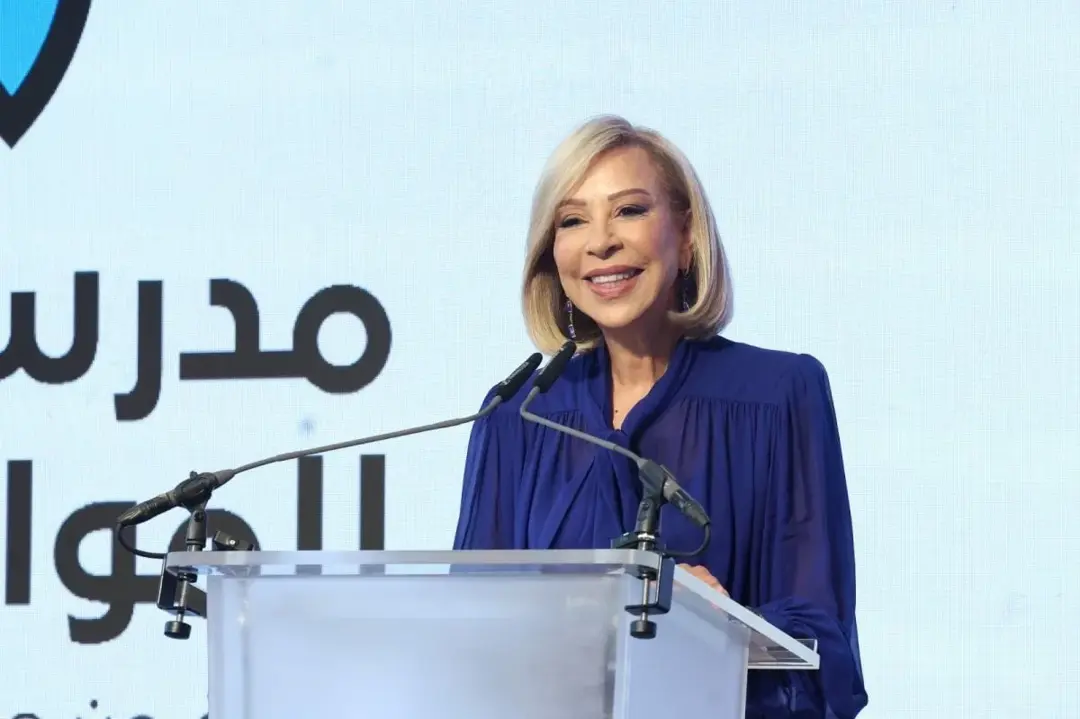
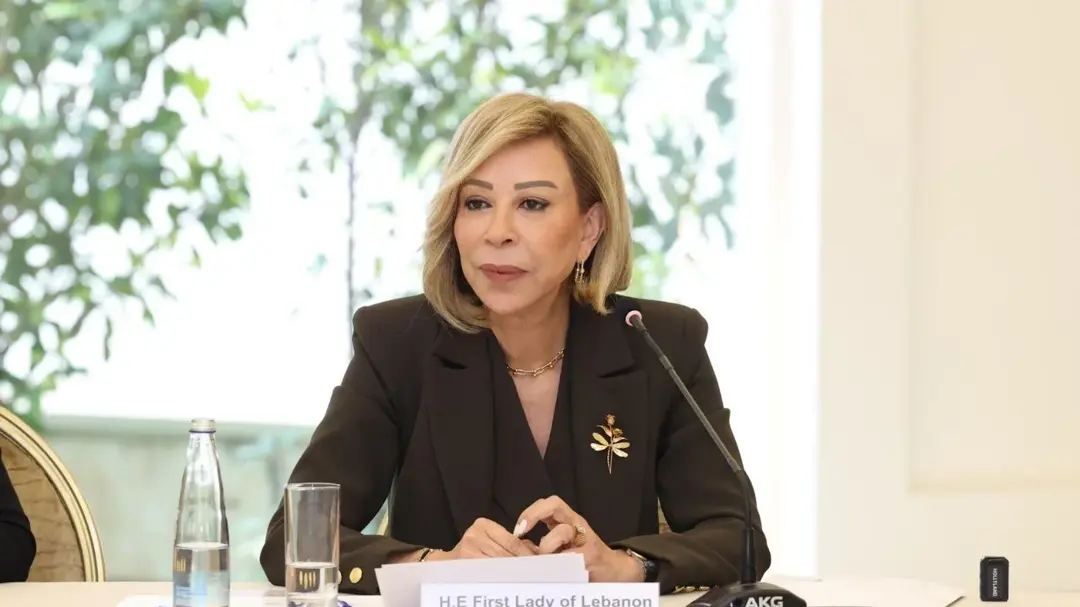
A nationwide initiative led by the First Lady of the Lebanese Republic, H.E. Nehmat Aoun, empowering schools to place civic values at the heart of their educational mission.
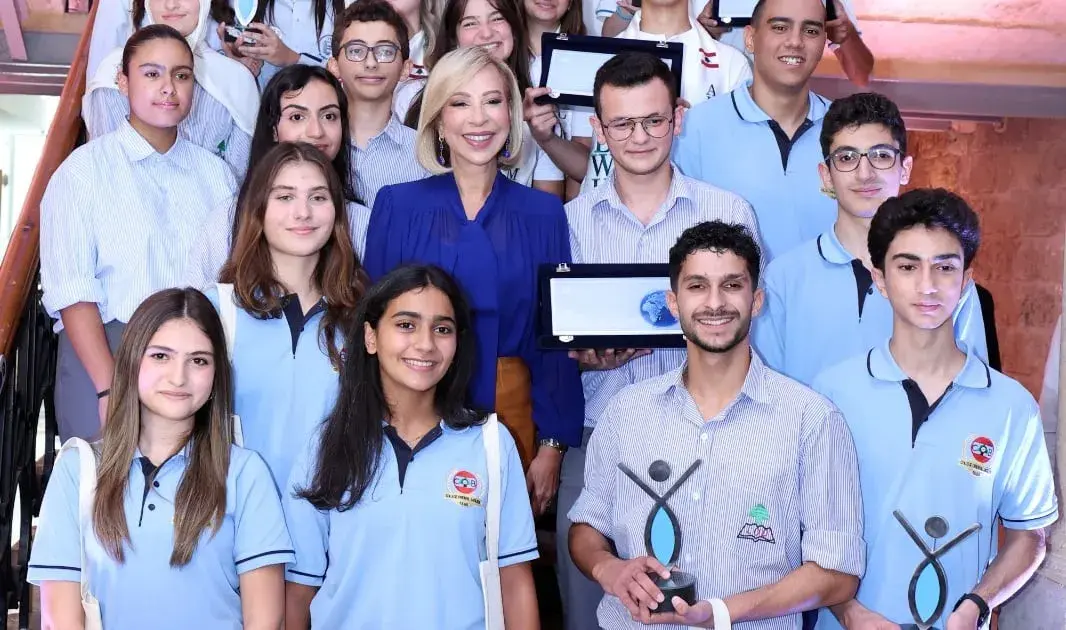
Building on the achievements of its first year, the School of Citizenship is expanding from 150 to 300 public and private schools across Lebanon, strengthening educators’ capacity and supporting schools in turning civic values into action within their communities.
School of Citizenship
Year Two Roadmap
- Oversight Visits
- Advanced Support
- Index Filling


Turning Evidence into Policy, with the American University of Beirut
The School of Citizenship partners with the American University of Beirut to ground citizenship education in evidence. Through its Asfari Institute for Civil Society and Citizenship, AUB leads the initiative's monitoring and evaluation. Year One findings inform policy recommendations that help stakeholders advance citizenship education across Lebanon.

1.Strategic Partners
SoC Strategic Partners are the guiding body behind the initiative’s strategic vision. They define and oversee the mission and vision of the initiative, ensuring long term direction and national alignment. They also help fine tune the core mechanisms implemented during each cycle, including school participation, training frameworks, and the Citizenship Index.

2.Technical Partners
Technical Partners form the School of Citizenship Alliance, a multi-stakeholder network that empowers 150 schools across Lebanon through a range of core mechanisms, including specialized training, on-site accompaniment, and a demand-driven matching approach. Through this approach, partners respond directly to each school’s specific needs, delivering tailored interventions that strengthen institutional capacity, reinforce civic education practices, and ensure sustainable impact across communities.

3.Sponsors
Sponsors play a vital role in supporting the School of Citizenship through three contribution tiers: Legacy, Supporter, and Friend. Through long term commitment and strategic investment, they help sustain the initiative year after year, contributing to a five year cycle focused on systemic impact, national alignment, and the development of future generations of engaged citizens.

4.School Networks
Public and private school asSoCiations, principals, and teacher networks drive schools’ participation and engagement on the ground.
